Peptide Top Quality: Significance Of Third-party Validation
Chemical & Physical Peptide Analysis
The buddy page on why 99 percent pureness matters clarifies why small impurity percentages can still matter in Lyophilized Peptide delicate in-vitro assays. Along with this peptide testing overview, those web pages develop the trust-methodology layer behind the product magazine. Peptide screening is powerful, yet scientists must read the extent of each approach meticulously.Irregular bit dimension distribution and morphology can affect bioavailability and security. BOC Sciences is furnished with instruments like DLS, TEM, SEM, etc, to totally examine nanoparticle size, distribution, and microstructure. For us, pureness isn't just a percentage-- it's a promise of stability, consistency, and regard for the science being done.
Crude, Desalted, And High-purity: Recognizing Peptide Qualities
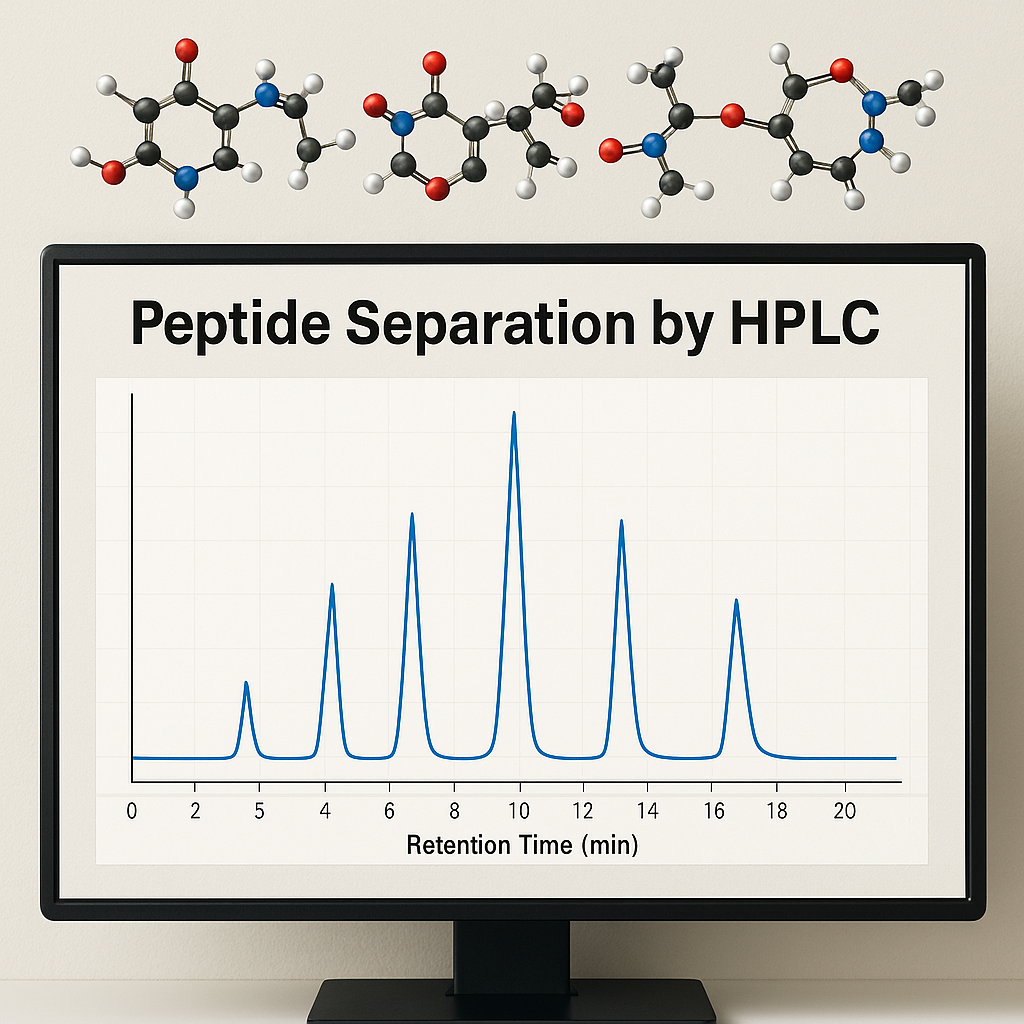
" Mass spectrometry answers "is the spotted substance constant with the designated peptide identity? " Together they supply more powerful batch-level proof than either method alone. In the common peptide COA context, peak pureness usually describes the percentage of total chromatogram location represented by the primary peptide peak.
Exactly How Do You Validate Peptide Purity And Identification?
A practical assay gauging downstream signaling-- or an architectural research study utilizing NMR or X-ray crystallography-- demands the greatest pureness offered. Crystallographers specifically often call for ≥ 98% purity since even small contaminants can prevent crystal development or present condition into the crystal latticework. As molecules leave the column, they travel through a detector-- commonly a UV detector set to 214 or 220 nm, wavelengths where the peptide bond takes in light highly. The detector records how much UV light is taken in gradually, creating a graph called a chromatogram. This overview breaks down what purity really means in peptide chemistry, how it's determined, what the pollutants are, and exactly how to check out the documentation that shows a peptide is what it claims to be.By insisting on peptides that include confirmation of pureness and identification, researchers can substantially decrease the threat of speculative artifacts. On the other hand, using peptides that have actually passed third-party laboratory validation helps make sure that the observed speculative effects are really because of the intended peptide and not as a result of impurities or mistakes. When you see peptides advertised as "research-grade," it describes their meant usage and the level of manufacturing oversight. Research-grade peptides are produced laboratory research study use only-- they are not generated under pharmaceutical GMP requirements and are not suggested for usage as therapies or in people. These peptides feature a standard quality control plan, typically consisting of HPLC purity evaluation and MS verification of identity, ensuring they meet scientific standards for pureness and structure.
Why Peptide Chemical & Physical Analyses Issue In Actual Projects
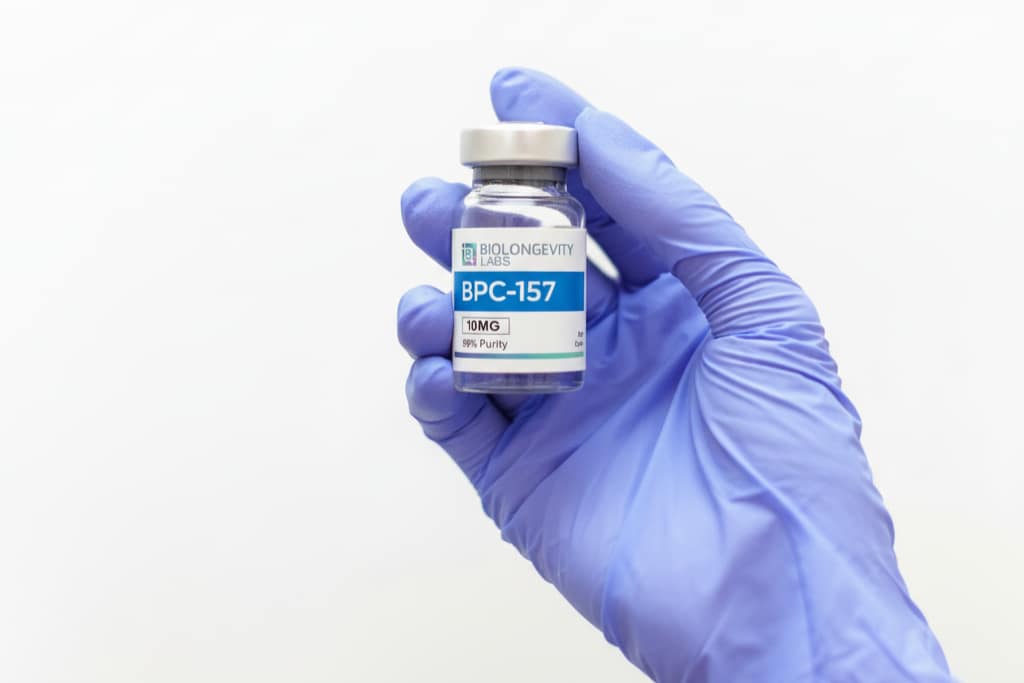
- Every item we carry is lab-tested and confirmed by third-party companions, so scientists know exactly what they're dealing with.
- For a deeper identity-focused explanation, see Mass Spectrometry Peptide Verification.
- A deletion peptide missing a single residue may still bind to the very same receptor, however with different affinity or selectivity.
- Peptides in microspheres and nanoparticles may entangle with matrices, making it tough to divide free and encapsulated kinds.
- Ultimately, getting the purity degree right suggests extra trustworthy science-- and that's the ultimate goal for any type of scientist.
Either can be acceptable, but third-party testing is the gold standard for research-grade materials. Residual solvents, such as DMF, acetonitrile, or DMSO, are quantified utilizing gas chromatography (GC) methods. These solvents can impact peptide performance, so precise quantification is vital to guarantee pureness and protect against contamination in experimental setups. Peptide security is evaluated under numerous problems to make certain integrity throughout research study and item advancement.
These are beneficial in the best setup, however they ought to be interpreted as method-specific evidence instead of an universal replacement for HPLC and MS. Yet peptide pureness is arguably the single essential high quality metric for any research peptide. It straight influences the dependability and reproducibility of speculative results. A peptide detailed at 75% purity and one at 99% pureness aren't just various grades-- they can produce meaningfully various end results in the very same assay. Each peptide has a various expected molecular weight, so mass verification is not a generic badge; it is compound-specific proof. For a much deeper identity-focused description, see Mass Spectrometry Peptide Confirmation. Identity screening verifies that what was synthesized is actually the intended sequence.